Progressing from Soft to Crunchy: Reintroducing Texture with Dentures in Spokane, WA
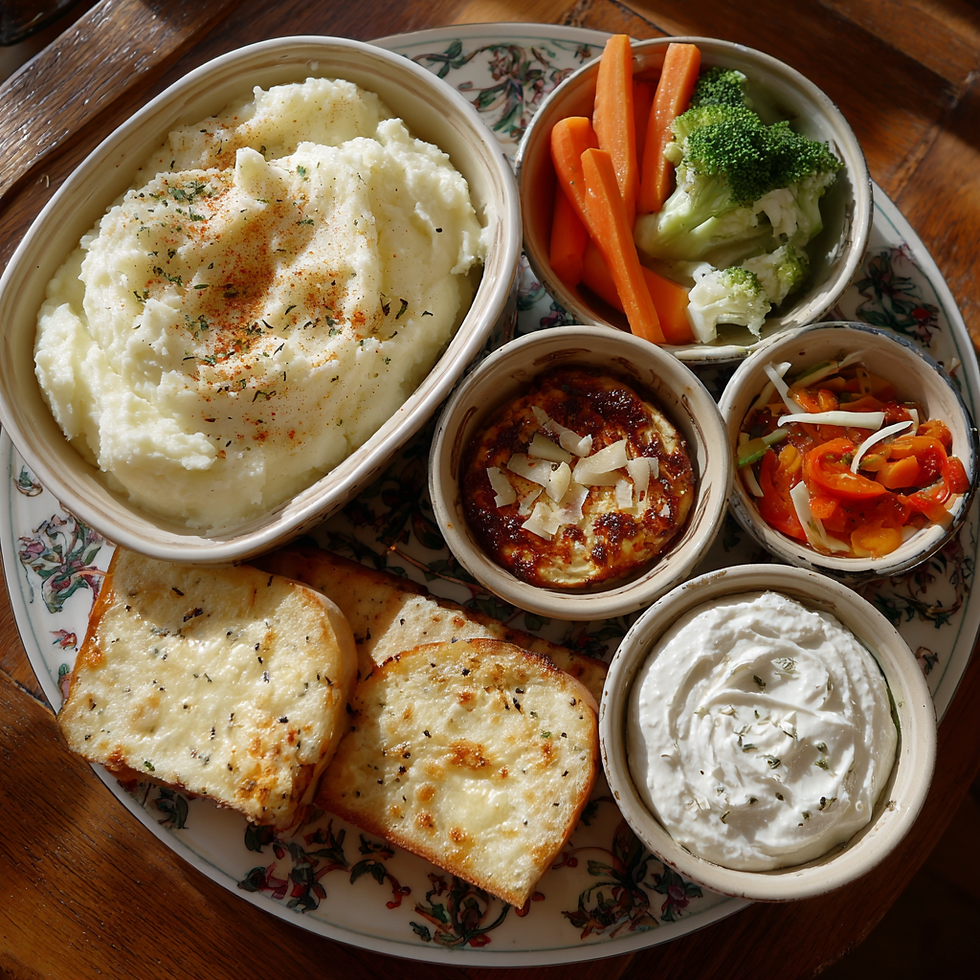
Learning to eat comfortably with dentures is not just about choosing the right foods. It is about rebuilding control, confidence, and trust in your bite one step at a time. For many new denture wearers, the transition from soft foods to firmer textures can feel intimidating—especially when there is fear of slipping, soreness, or food getting trapped underneath the denture.
At Grishin Denture Specialist in Spokane, WA, we help patients move through this process with realistic guidance and precision denture care. For anyone searching for dentures near me, dentures Spokane, dentures Spokane WA, or a trusted Spokane denture clinic, a structured approach to texture reintroduction can make eating feel safer, more natural, and more enjoyable again.
Many patients benefit from first rebuilding bite control with soft foods before progressing toward firmer textures. This same principle is also explained in our guide on eating comfortably with dentures, where we discuss how chewing technique, food size, and bite balance all affect denture stability.
Why Is It Hard to Eat Crunchy Foods With Dentures?
Crunchy foods are harder with dentures because they require more bite force, better balance, and stronger chewing coordination. If the denture base is not stable, or if the bite is uneven, crunchy foods can cause rocking, sore spots, or loss of suction.
This is why texture should be reintroduced gradually. Jumping too quickly from soft foods to crackers, chips, apples, raw vegetables, or crusty bread can overwhelm the gums and oral muscles before they are ready.
For patients wearing Spokane dentures, the goal is not simply to “tough it out.” The goal is to train the mouth in a way that protects the gums, improves function, and helps the denture settle into daily life with less stress.
The Psychology of Texture: Why Confidence Matters Before Crunch
Many denture wearers avoid textured foods not because they are impossible to chew, but because they are afraid of what might happen. They may worry about dentures shifting during a meal, clicking while speaking, or causing discomfort in front of others.
That fear is very real. Eating is social, emotional, and personal. When a patient loses confidence with food, they may begin avoiding restaurants, family dinners, fresh produce, or favorite meals.
A gradual texture plan helps rebuild:
Oral muscle coordination
Predictable chewing control
Confidence in public eating
Bite awareness
Comfort with firmer foods
Trust in the denture fit
At our Spokane denture clinic, we often remind patients that chewing confidence returns through repetition, not pressure. The process should feel controlled, not rushed.
Soft-Start Phase: Building Control Without Pressure
The first stage focuses on comfort and coordination. Before introducing firmer foods, the gums and muscles need time to adjust to the denture base, chewing surfaces, and pressure patterns.
This stage is especially important for patients adjusting to dentures in Spokane, new immediate dentures, replacement dentures, or affordable dentures Spokane options.
Best Soft Foods for the First Stage
Start with foods that require minimal chewing and do not create strong side-to-side pressure:
Mashed potatoes
Oatmeal
Scrambled eggs
Yogurt
Smoothies
Blended soups
Cottage cheese
Soft fish such as salmon or tilapia
Applesauce
Soft pasta
These foods allow you to practice chewing without overwhelming the gums.
How to Practice Chewing With New Dentures
Use small, controlled movements:
Take very small bites
Chew slowly with lips closed
Place food toward the back teeth instead of the front
Chew on both sides evenly
Avoid rushing through meals
Stop if a sore spot begins developing
This stage helps protect gum tissue while teaching the mouth how to stabilize the denture during movement.
Controlled Texture Phase: Introducing Gentle Resistance
Once soft foods feel comfortable, you can begin adding foods with mild firmness. This stage helps the mouth adapt to resistance without jumping straight into hard or brittle textures.
Good Transition Foods for Week Two
Try foods that are soft but require more chewing than pureed meals:
Steamed carrots
Steamed zucchini
Soft rice
Soft pasta
Omelets with soft vegetables
Ripe bananas
Ripe pears
Soft tacos
Quesadillas cut into small pieces
Tender fish or shredded chicken
For patients comparing denture clinics Spokane WA, this is where fit and bite balance become very noticeable. A denture that rocks, pinches, or lifts during mild chewing may need an adjustment before moving into crunchier foods.
Best Technique for Firmer Foods
The technique matters as much as the food choice.
Cut food into small, even pieces. Place food on both sides of the mouth when possible. Avoid tearing food with the front teeth, especially in the early stages. Front-tooth biting can pull the denture forward and break suction.
For better control, practice bilateral chewing by chewing gently on the left and right sides instead of favoring one side. Balanced chewing helps reduce denture tipping and protects the gums from uneven pressure.
When Can You Start Eating Crunchy Foods With Dentures?
Most patients can begin trying light crunchy foods once soft and medium textures feel stable. This often happens after several weeks, but the timing depends on gum healing, denture fit, bite balance, saliva flow, and chewing confidence.
Crunchy foods should return gradually—not all at once.
Denture-Friendly Crunchy Foods to Try First
Start with softer or controlled crunch:
Lightly toasted bread
Thin peeled apple slices
Roasted vegetables
Soft crackers with a spread
Tender pizza crust in small pieces
Thin cucumber slices without tough skin
Soft granola mixed into yogurt
Avoid biting directly into firm foods with the front teeth. Instead, cut the food smaller and move chewing pressure toward the back teeth. This helps protect suction and reduces rocking.
If your dentures shift every time you chew something firm, the issue may not be the food—it may be the fit. You may benefit from reading why lower dentures feel loose and learning how bite balance, bone shape, and denture borders affect stability.
Advanced Texture: Eating in Restaurants and Social Settings
Eating at home is one thing. Eating in public can feel completely different. Many patients searching for dentures near me or a denture clinic near me are not only looking for dentures—they are looking for the confidence to enjoy meals again without embarrassment.
Social eating should be approached with strategy.
Safer Restaurant Choices With Dentures
Choose foods that are flavorful but manageable:
Soups with soft sides
Pasta dishes
Rice bowls
Enchiladas
Tender seafood
Steamed vegetables
Meatloaf
Soft sandwiches cut into small pieces
Stir-fries with tender meats
These foods allow you to participate socially without forcing your dentures through difficult textures too early.
Foods to Be Careful With in Public
Use caution with:
Hard chips
Nuts
Sticky candy
Tough steak
Crusty bread
Raw carrots
Whole apples
Popcorn
Seeds
Very sticky sauces
These foods can create unpredictable pressure, stick to the denture surface, or increase the chance of movement during chewing.
What If Crunchy Foods Cause Soreness?
Crunchy foods should not cause sharp pain, repeated sore spots, or constant denture movement. Mild adjustment is normal, but ongoing discomfort is a sign that something needs attention.
Common causes include:
Problem | Possible Cause | What to Do |
Sharp gum pain | Pressure point under the denture | Pause firm foods and schedule an adjustment |
Denture rocking | Uneven bite force | Practice balanced chewing and have the bite checked |
Food trapping | Weak seal or worn fit | Consider a reline or fit evaluation |
Clicking sounds | Poor bite balance or fast chewing | Slow down and chew with lips closed |
Sore gums after meals | Too much pressure too soon | Return to softer foods temporarily |
Persistent discomfort should be evaluated by a denturist Spokane patients trust. Small adjustments can make a major difference in comfort, chewing confidence, and long-term tissue health.
Weekly Texture Progression for Denture Wearers
A gradual plan helps prevent frustration and protects the gums.
Week | Texture Level | Food Examples |
Week 1 | Very soft | Mashed potatoes, yogurt, pureed soups, scrambled eggs |
Week 2 | Soft-medium | Steamed vegetables, soft pasta, fish, soft tacos |
Week 3 | Medium-firm | Peeled apple slices, thin toast, roasted vegetables |
Week 4 | Controlled crunch | Toasted bread, soft crackers, tender pizza crust, thin raw vegetables |
This is a general guide, not a strict rule. Some patients progress faster, while others need more time—especially after extractions, immediate dentures, sore spots, relines, or major bite changes.
How Grishin Denture Specialist Helps Patients Eat Comfortably Again
At Grishin Denture Specialist, we focus on more than appearance. A natural-looking smile matters, but dentures also need to function during real life—chewing, speaking, laughing, and eating with family.
Our process emphasizes:
Careful denture fit
Bite balance
Tissue comfort
Stability during chewing
Adjustments when sore spots appear
Long-term denture maintenance
Patient education for everyday function
For patients searching for Spokane dentures, dentures Spokane WA, dentures in Spokane, or Affordable Dentures Spokane, the right fit and guidance can make the transition back to textured foods much easier.
FAQ: Reintroducing Texture With Dentures
What foods should I eat first with new dentures?
Start with soft foods like mashed potatoes, scrambled eggs, oatmeal, yogurt, smoothies, blended soups, and soft fish. These foods help you practice chewing without placing too much pressure on the gums.
When can I eat crunchy foods with dentures?
Crunchy foods should be introduced only after soft and medium textures feel comfortable. Start with light crunch, such as thin toast, peeled apple slices, roasted vegetables, or soft crackers with a spread.
Why do my dentures move when I chew firm foods?
Dentures may move during firm chewing because of uneven bite force, weak suction, gum changes, poor border seal, or a fit that needs adjustment. If movement continues, schedule a denture evaluation.
Should I bite into apples or sandwiches with front teeth?
It is better to avoid biting directly into firm foods with the front teeth, especially with full dentures. Cut foods into smaller pieces and chew toward the back teeth for better stability.
Where can I get help with denture chewing problems in Spokane?
If you are searching for dentures near me, denture clinic near me, or a trusted Spokane denture clinic, Grishin Denture Specialist helps patients in Spokane and nearby communities improve denture fit, comfort, and chewing confidence.
CONCLUSION

Rebuilding texture confidence with dentures takes patience, practice, and the right progression. Moving from soft foods to firmer textures should happen gradually so your gums, muscles, and bite can adapt without unnecessary soreness or frustration. With proper technique, many denture wearers can return to fresh, crunchy, and satisfying foods with greater comfort and control.
At Grishin Denture Specialist, we help patients throughout Spokane, Spokane Valley, Cheney, Deer Park, and Liberty Lake regain the ability to eat with confidence. Whether you are dealing with sore gums, slipping dentures, uneven chewing pressure, or difficulty handling textured foods, Denturist Michael Grishin can evaluate your fit and recommend the right adjustment, reline, or new denture solution.
If you are searching for dentures Spokane, dentures Spokane WA, Spokane dentures, affordable dentures Spokane, or a trusted Spokane denture clinic, our office is here to help you enjoy eating again with secure, natural-feeling dentures. For directions and local service information, visit Grishin Denture Specialist in Spokane, WA.
For patients who want to understand why the first step matters so much, our guide on alginate vs. silicone impressions explains how impression quality affects denture comfort, stability, and long-term fit.
Stay Connected!
Instagram: @grishindentures
Facebook: GrishinDentureSpecialist
Twitter/X: @grishindentures