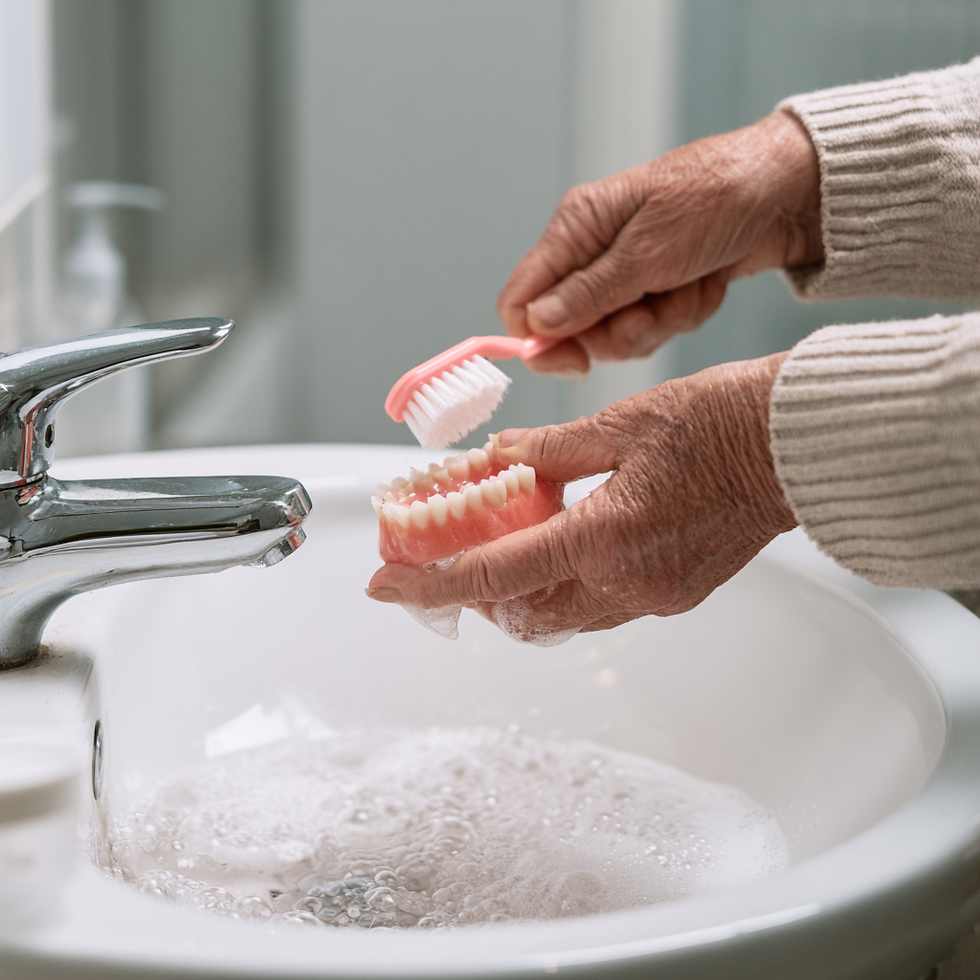
Eastern European Comfort Foods Denture Wearers in Spokane Can Still Enjoy | Grishin Denture Specialist

For many families in Spokane, Eastern European comfort foods are more than meals. They carry memory, identity, hospitality, and tradition. The question many denture wearers ask is simple: can you still enjoy the foods you grew up with after getting dentures?
In many cases, yes. At Grishin Denture Specialist, we help patients discover that with the right denture fit, proper food preparation, and smart texture choices, many classic Eastern European dishes can remain both enjoyable and comfortable. For patients searching for dentures Spokane, dentures Spokane WA, Spokane dentures, or a trusted denturist Spokane, food confidence is a major part of quality of life.
A well-fitting denture should not force you to give up cultural favorites. It should help you return to them more safely, comfortably, and confidently.
Can denture wearers still enjoy Eastern European foods?
Yes, many Eastern European foods can be adapted very well for denture wearers. The key is not necessarily the cuisine itself, but the texture, moisture level, preparation method, and the stability of the denture.
Soups, dumplings, porridges, braised meats, cabbage rolls, mashed fillings, and slow-cooked dishes are often much easier to manage than dry, crusty, fibrous, or heavily fried foods. When dentures fit correctly, patients often find they can enjoy a much broader range of meals with less anxiety and less irritation.
That matters because eating is not only about nutrition. It is also about belonging, comfort, routine, and enjoying time with family. Patients searching for dentures near me, dentures in Spokane, or a Spokane denture clinic are often looking for more than a replacement for missing teeth. They want to keep living normally and eating foods they love.
Why do some traditional foods feel harder to eat with dentures?
The answer usually comes down to one or more of three issues: texture, bite force, and denture stability.
Some foods are hard to manage because they require strong front-tooth biting, aggressive side-to-side chewing, or repeated tearing with the denture. Others become difficult when the denture does not seal well, rocks during chewing, or concentrates pressure unevenly on the gums.
That is why food comfort often depends on more than “soft vs. hard.” Moisture, chew direction, food particle size, and the quality of the denture fit all matter. If you have ever noticed soreness, slipping, or uneven pressure during meals, our blogs Hidden Bite Forces: How Uneven Pressure Damages Your Gums and Dentures Over Time and The Unsung Role of Articulators in Perfecting Your Bite explain why balance and bite precision make such a difference.
Which Eastern European comfort foods are easiest for denture wearers?
The best choices are usually foods that are moist, tender, slow-cooked, or naturally soft. Eastern European cuisine includes many excellent options that can be enjoyable for patients wearing Spokane dentures.
Soups and stews that are naturally denture-friendly
Many traditional soups work very well for denture wearers because they combine hydration, warmth, nutrition, and soft textures in one meal.
Good options include:
Borscht when the vegetables are cooked until soft and any meat is shredded or finely chopped
Rosół or slow-simmered chicken soup when the meat is tender and noodles or vegetables are soft
Solyanka when sausage or meat pieces are cut small and the broth keeps the dish moist
Cabbage soup or vegetable-based soups that soften tougher ingredients through long cooking
These meals are often easier because they reduce chewing strain and help denture wearers avoid the dry friction that can make eating less comfortable. For patients with dry mouth, soft soups can also help compensate for reduced saliva. That connects closely with our article Best Drinks for Hydration with Dentures: Relieving Dry Mouth the Right Way, since hydration has a direct effect on denture comfort.
Dumplings and filled dough dishes that stay soft
Eastern European dumplings are often among the most satisfying and denture-friendly comfort foods when prepared properly.
Good examples include:
Vareniki with mashed potato, soft cheese, or braised cabbage fillings
Pelmeni made with finely ground meat and served boiled rather than pan-fried
Pierogi when boiled or steamed and topped with butter, sour cream, or a soft sauce
Sweet vareniki with soft fruit fillings for a gentler dessert option
These dishes work especially well because they are compact, moist, and generally require less forceful biting than crusty breads or dense meats. Patients who enjoyed our blog Progressing from Soft to Crunchy: A Guide to Reintroducing Texture with Dentures will recognize this same principle: texture progression matters, and softer dough-based foods are often a helpful middle stage.
What meat dishes can denture wearers still enjoy?
Many denture wearers worry that meat is off the table. That is not necessarily true. The real issue is whether the meat is dry and fibrous or tender and easy to break down.
Slow-cooked meat dishes are often the safest option
Protein is still important, but preparation is everything. In Eastern European cooking, there are many meat dishes that become far more denture-friendly when cooked slowly and served moist.
Examples include:
Golubtsi or stuffed cabbage rolls with rice and soft ground meat
Kotlety made from finely ground meat and kept moist inside
Goulash or braised pork/beef cooked until fork-tender
Stewed chicken with gravy or sauce that reduces friction while chewing
These dishes are usually much easier than grilled meats, dry cutlets, or crispy fried items.
That is one reason patients who ask about steak, tougher proteins, or heavier chewing often benefit from reading Eating with Dentures: How to Enjoy Steak, Crunchy Foods, and Gum Comfortably. The principle is similar: moisture, preparation, and denture stability determine success.
Which traditional sides and breads work best with dentures?
Not every side dish is equally comfortable. The best options are soft, moist, and easy to compress without forcing the denture to shift.
Easier side dishes for dentures in Spokane
Common denture-friendlier Eastern European sides include:
Kasha prepared soft or creamy
Mashed potatoes served smooth and well-moistened
Buckwheat porridge when not overly dry
Braised cabbage cooked down until tender
Soft breads used in small pieces with soup, butter, or spread
Rye or Borodinsky bread can still be enjoyed, but many patients do better when it is sliced thin, softened with soup, or paired with something moist. Dry, chewy bread crusts can challenge even a good denture fit.
If food is getting trapped or shifting your denture while eating, our blog Why Does Food Get Under My Dentures? Solutions from a Spokane Denture Clinic helps explain why this happens.
Are there Spokane places where denture wearers can still enjoy these foods?
Yes. One advantage of living in Spokane is that Eastern European food traditions are still active here through markets, delis, family kitchens, and community events.
Patients often enjoy:
European markets with soups, dumplings, and prepared comfort foods
home-cooked meals adapted with softer textures
cultural gatherings where traditional dishes are served in familiar forms
The key is choosing foods mindfully and not feeling rushed while eating. A stable denture and a realistic food strategy can make a major difference in whether these experiences feel stressful or enjoyable.
How can denture wearers make Eastern European foods easier to eat?
The best approach is to adjust preparation without losing the soul of the meal.
Helpful strategies include:
cook vegetables until very soft
shred or finely chop meat instead of serving large pieces
use broth, butter, gravy, or sour cream to keep foods moist
boil or steam dumplings instead of frying them
cut foods into smaller bites before eating
chew evenly on both sides to reduce tipping forces
slow down and avoid biting aggressively with the front teeth
These changes sound simple, but they can significantly improve comfort. They also reduce the risk of sore spots, instability, and frustration during meals.
What if traditional foods still feel difficult with dentures?
If familiar foods remain hard to eat even when prepared carefully, the issue may not be the food. It may be the denture fit.
A denture that slips, clicks, rocks, pinches, or loses suction can turn even soft foods into a challenge. Some patients assume this is normal, but it often signals the need for an adjustment, reline, or more precise bite refinement. If your dentures feel secure in the morning but looser later in the day, our post Why Dentures Feel Tight in the Morning and Loose by Evening may sound familiar.
For patients searching for affordable dentures Spokane, denture clinic near me, or denture clinics Spokane WA, this is important: comfort at the table is one of the clearest real-life tests of denture quality.
Frequently Asked Questions
Can denture wearers eat pierogi and vareniki?
Yes, many denture wearers can enjoy pierogi and vareniki, especially when they are boiled or steamed and served soft with moist fillings.
Is borscht good for people with dentures?
Borscht can be an excellent option because it is moist, soft, and easy to adapt by cooking vegetables thoroughly and shredding any meat.
What Eastern European foods are hardest to eat with dentures?
Dry crusty breads, tough sausages, chewy meats, and heavily fried foods are often more difficult because they require stronger biting and can destabilize the denture.
Why do some foods still hurt even if they seem soft?
Soft food can still hurt if your dentures are uneven, loose, or concentrating pressure on a sore area. In those cases, the fit may need professional adjustment.
Can a better denture fit really improve eating comfort?
Absolutely. A more stable and balanced denture can make chewing feel safer, easier, and more natural, especially when eating foods with mixed textures.
Conclusion

For denture wearers in Spokane, enjoying Eastern European comfort foods—such as soups, dumplings, slow-cooked meats, and porridges—is absolutely possible with a few thoughtful adjustments. Softer textures, gentle cooking methods, and a secure denture fit allow patients to savor familiar flavors without discomfort.
At Grishin Denture Specialist, we help patients throughout Spokane, Spokane Valley, Cheney, Deer Park, and Liberty Lake rediscover the joy of eating well with dentures that feel stable and natural. Whether you’re enjoying borscht at home or pierogi from a favorite Spokane deli, the right fit makes every meal better.
If your dentures slip, click, or cause irritation, Denturist Michael Grishin can restore comfort through precision adjustments, relines, or a new set of affordable dentures Spokane patients trust. You can get directions to our Spokane denture clinic and experience how proper fit brings confidence back to every bite—because every tradition tastes better when your smile fits just right.
For a deeper look at how chewing strength supports comfort, nutrition, and healthy aging, read Chewing Strength and Brain Function: Why Keeping a Strong Bite Matters in Aging.
Stay Connected!
Instagram: @grishindentures
Facebook: GrishinDentureSpecialist
Twitter/X: @grishindentures