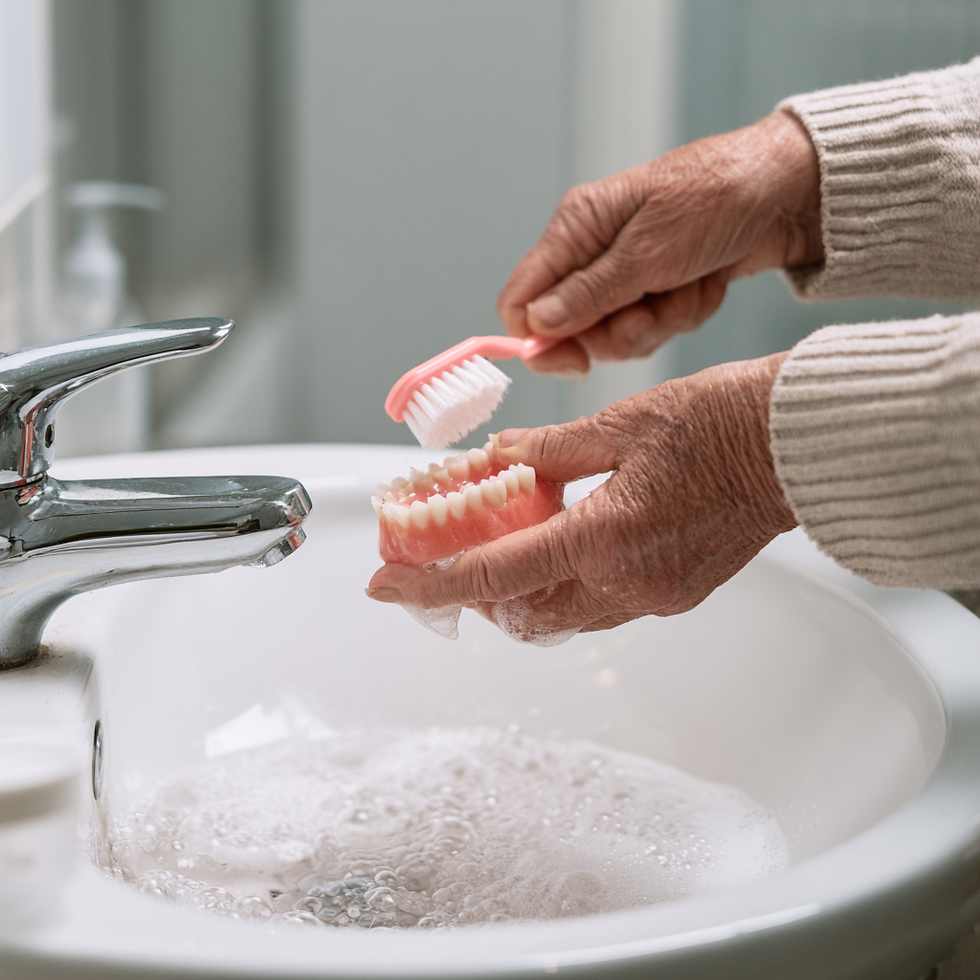
Intermittent Fasting and Dentures in Spokane WA: Prevent Dry Mouth and Improve Comfort

Intermittent fasting has become a popular strategy for weight management, metabolic health, and better daily discipline. But for denture wearers, fasting can create a very specific set of challenges. The longer you go without eating, the more likely you are to notice dry mouth, weaker suction, shifting dentures, and changes in adhesive performance.
At Grishin Denture Specialist, we help patients adapt their dentures to real-life routines, not the other way around. If you have been searching for dentures Spokane, dentures Spokane WA, Spokane dentures, dentures in Spokane, or a trusted denturist Spokane, understanding how intermittent fasting affects saliva and denture stability can help you stay more comfortable throughout the day.
A secure denture fit should support your lifestyle. That includes eating patterns, hydration habits, changing schedules, and health-focused routines like fasting.
Can intermittent fasting affect denture comfort?
Yes, intermittent fasting can affect denture comfort, especially if it lowers saliva flow and increases dryness. Saliva is one of the most important natural factors in denture stability. When it decreases, denture wearers often notice more friction, weaker retention, more sore spots, and less reliable adhesive hold.
This matters for both full and partial dentures, but it is especially important for full upper dentures that rely heavily on tissue contact and suction. If your mouth feels dry for long periods during fasting hours, your dentures may feel less secure even if they normally fit well.
For patients looking for dentures near me, denture clinic near me, or a dependable Spokane denture clinic, this is one of the most overlooked real-life comfort issues.
Why does saliva matter so much for dentures?
Saliva does much more than keep the mouth from feeling dry. It helps create lubrication, reduces friction between the denture and the gums, supports suction, and improves overall oral comfort.
When saliva levels are healthy, dentures usually feel smoother and more stable. When saliva decreases, several problems can appear quickly:
increased friction between acrylic and soft tissue
less natural suction for upper dentures
reduced comfort during speech
weaker activation of some adhesives
higher risk of sore spots and irritation
This is one reason why patients who read The Science of a Perfect Denture Fit often realize that denture comfort is not only about the shape of the denture. It is also about how the denture interacts with moisture, tissue resilience, and daily function.
Why does intermittent fasting cause dry mouth in denture wearers?
Intermittent fasting often reduces saliva because eating and chewing are two of the body’s strongest triggers for salivary flow. When there are long gaps without food, the mouth may not receive the same stimulation that normally keeps saliva circulating.
Common reasons fasting can worsen denture dryness include:
fewer chewing triggers during fasting hours
reduced taste stimulation
mild dehydration from not drinking enough water
morning dryness after overnight fasting
Spokane’s naturally drier climate adding to the problem
Many people notice the worst dryness in the morning or just before their eating window begins. That dryness can make dentures feel tighter, looser, or simply more irritating depending on the fit and the condition of the tissues.
If this sounds familiar, our blog Why Dentures Feel Tight in the Morning and Loose by Evening gives a helpful explanation of how daily tissue changes can affect denture stability over time.
What happens to denture suction during fasting?
Denture suction depends on close adaptation between the denture base and the oral tissues, supported by saliva and border seal. When the mouth becomes too dry, that seal can weaken.
During fasting, patients may notice:
more slipping when speaking
a denture that feels less “locked in”
irritation from movement against dry tissue
food-time discomfort once chewing starts again
a growing dependence on adhesive to compensate
This is why hydration matters so much. If saliva drops too low, even a well-made denture can feel less secure. And if the denture already has a fit issue, fasting tends to make that issue much more noticeable.
For a related explanation of retention mechanics, see How Denture Suction Really Works — The Hidden Physics Behind a Secure, Comfortable Fit.
How can denture wearers stay hydrated without disrupting a fast?
The best defense against fasting-related denture discomfort is hydration. Even mild dehydration can make denture wear much less comfortable.
Helpful strategies include:
taking frequent small sips of water throughout fasting hours
using unflavored electrolyte water when appropriate
drinking cool water to calm irritated tissue
trying unsweetened herbal tea if it fits your fasting routine
avoiding long stretches without fluids
For patients wearing Spokane dentures, hydration matters even more because Eastern Washington’s drier air can intensify oral dryness. Many patients do better when they actively plan hydration rather than waiting until they feel thirsty.
This is also a good place to connect patients to your stronger hydration content. For more support, read Best Water Brands for Hydration With Dentures and Best Drinks for Hydration with Dentures: Relieving Dry Mouth the Right Way.
Which adhesives work better during intermittent fasting?
Adhesive performance often changes when saliva is low. Some formulas depend more heavily on moisture than others, so fasting can make certain adhesives feel less reliable.
Many denture wearers do better with the following strategies:
use a thin layer rather than excessive amounts
consider powder or strip adhesives if pastes feel inconsistent
clean and refresh adhesive before the eating window begins
avoid piling on more adhesive just to compensate for poor fit
Too much adhesive can create mess, clumping, and false confidence. It can also hide a fit problem that really needs adjustment.
If adhesive suddenly becomes essential when it did not used to be, that often points to a denture issue rather than just a fasting issue. Patients in that situation may benefit from
Making Old Dentures Look New Again or a reline evaluation to restore stability more predictably.
How should denture wearers break a fast for better comfort?
Meal timing and food texture can make a major difference. Jumping straight into dry, chewy, or tougher foods after a long fasting window can irritate the tissues and make dentures feel unstable.
A better sequence is:
begin with hydrating foods like soup, yogurt, smoothies, or soft fruit
give saliva time to increase again
move to more structured foods once the mouth feels better lubricated
finish with moisture-rich foods that help carry comfort into the next fasting period
This approach is especially helpful for patients who notice soreness or chewing fatigue when eating resumes. It is the same texture strategy discussed in Progressing from Soft to Crunchy: A Guide to Reintroducing Texture with Dentures.
What foods are easier to eat after fasting with dentures?
The easiest foods after fasting are usually soft, moist, and easy to break down without heavy bite force.
Good starting options include:
soups and broths
yogurt
smoothies
soft fruit
oatmeal
eggs
mashed vegetables
tender rice dishes
soft fish or finely prepared protein
Dry meats, crusty bread, tough snacks, and sticky foods are usually harder to manage right away. If chewing strength and bite comfort are already a concern, patients may also benefit from Chewing Strength and Brain Function: Why Keeping a Strong Bite Matters in Aging.
Why does Spokane’s climate make fasting harder for denture wearers?
Spokane’s semi-arid climate can intensify the effects of fasting on the mouth. Dry indoor air, seasonal heat, winter heating systems, and naturally lower humidity can all contribute to oral dryness.
That means denture wearers in this region often feel fasting-related dryness faster than they might in a more humid environment. Small changes that may seem minor elsewhere can become much more noticeable here.
Patients looking for denture clinics Spokane WA, affordable dentures Spokane, or dentures in Spokane often do better when denture care is tailored to real local conditions instead of generic advice.
When is fasting revealing a real denture fit problem?
Fasting can make a mild denture problem more obvious, but it does not usually create a major fit problem by itself. If your dentures suddenly feel unstable only because the mouth is dry, hydration and timing changes may help. But if you notice repeated slipping, rocking, soreness, or speech changes, the denture itself may need attention.
Warning signs include:
increased movement during fasting hours
sore spots that keep returning
burning or rubbing sensations
more dependence on adhesive
chewing fatigue
dentures that feel unstable even after the eating window begins
This is where a professional adjustment, reline, or fit review can make the biggest difference. Patients who are comparing denture clinics Spokane WA or searching for dentures near me should know that lifestyle-related discomfort is often manageable when the fit is refined properly.
For a related read, see Why Lower Dentures Feel Loose: Solutions from a Spokane Denture Clinic.
Frequently Asked Questions
Can intermittent fasting make dentures feel loose?
Yes. Fasting can reduce saliva and increase dryness, which may weaken suction and make dentures feel less stable.
Why do my dentures feel worse before I break my fast?
This usually happens because saliva flow is lower after many hours without eating, chewing, or tasting food. Dry tissues increase friction and reduce comfort.
Can I use adhesive while intermittent fasting?
Yes, but adhesive may behave differently when your mouth is dry. A thinner application and the right formula may work better than using more product.
What should I eat first after fasting with dentures?
Start with hydrating, softer foods such as soup, yogurt, smoothies, eggs, or soft fruit before moving to firmer textures.
Does dry Spokane weather make dentures harder to wear during fasting?
Yes. Spokane’s dry climate can intensify dehydration and oral dryness, which can make fasting-related denture discomfort more noticeable.
Conclusion

Intermittent fasting can temporarily reduce saliva flow and make denture comfort more difficult, but it does not have to interfere with your lifestyle. With better hydration, smarter adhesive habits, and gentler meal timing, many denture wearers can stay comfortable and stable throughout fasting periods.
At Grishin Denture Specialist, we help patients adapt their dentures to real-life routines, whether that means managing dry mouth, refining fit, improving retention, or restoring comfort through adjustments and relines. Our approach is built around precision, function, and long-term daily wear.
If you have been searching for dentures Spokane, Spokane denture clinic, affordable dentures Spokane, or a trusted denturist Spokane, Grishin Denture Specialist is here to help. Patients throughout Spokane, Spokane Valley, Cheney, Deer Park, and Liberty Lake can get directions to our Spokane denture clinic and discover solutions designed for modern routines and more comfortable denture wear.
For a helpful guide to softer traditional meals that denture wearers in Spokane can still enjoy, read Eastern European Comfort Foods for Denture Wearers: Spokane Favorites.
Stay Connected!
Instagram: @grishindentures
Facebook: GrishinDentureSpecialist
Twitter/X: @grishindentures